What is doxxing?
Your home address appearing in an angry online thread can turn a screen problem into a real safety concern. This is one way doxxing can happen.
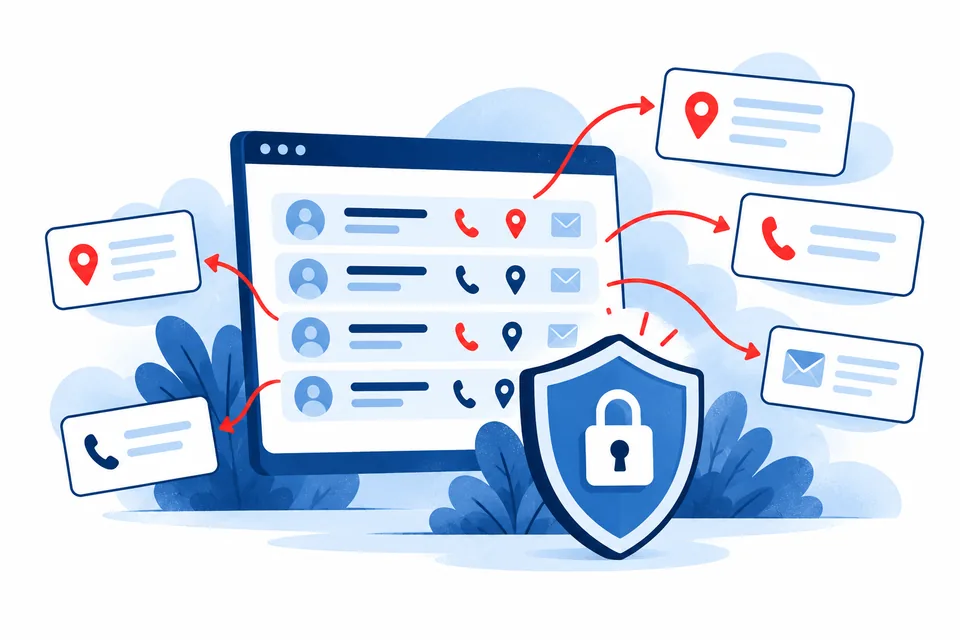
Doxxing means exposing someone's personal information online to target, intimidate or harm them. It can involve an address, phone number, workplace, family details or information that reveals an anonymous person's identity.
Here is how to recognise it, what to record and where to ask for help.
On this page
What does doxxing look like?
The information may appear in a single post or be collected across several pages. The surrounding message matters as much as the details themselves.
Examples include:
- Posting a home address alongside a threat.
- Sharing a private phone number and telling others to contact it.
- Publishing details of someone's family to put pressure on them.
- Linking an anonymous profile to a real identity as part of a targeted attack.
These examples are illustrative. A public business address or an ordinary mention of someone's name is not automatically doxxing. Context, purpose and risk matter.
Does the information have to be secret?
Information can be scattered across old websites, profiles or public records. Bringing it together and directing a hostile audience towards one person can create a new risk.
So do not dismiss the problem just because one detail was already online. Record how it is being used now, including threats, calls to contact you and signs that people are acting on the post.
Google's doxxing policy, for example, covers personal information linked to threats or calls for harassment, and certain collections of personal information without a legitimate purpose.
What should you do if you have been doxxed?
Put immediate safety first
If you or someone else is in immediate danger, call 999. If there is no emergency but you are being threatened or stalked, contact your local police.
Tell someone you trust. If a home, workplace or school is being targeted, consider who there needs to know so they can help keep people safe. Do not wait for a website to reply before addressing an immediate risk.
Save the links and context
Record the page URLs, account names, dates and relevant screenshots. Include the words surrounding the information, not just the address or number. Keep any messages or incidents that follow.
Store this privately. If you ask someone to help, avoid forwarding more personal information than they need.
Report the post to the site
Use its private-information, harassment or safety reporting route. Identify the exact information exposed, explain that you are the person affected and describe any threats or resulting contact.
Keep the report reference. If copies appear elsewhere, record each URL. Removing one post does not remove every copy.
Ask search engines to remove eligible results
Google has a personal-information and doxxing removal process. You need the URLs containing the information. A successful request removes eligible results from Google Search; it does not delete the source website.
You can pursue the site report and search request together. They do different jobs.
What can you do to reduce further exposure?
Review public profile details and location sharing. Remove information you no longer want visible where you control it. Check old biographies, public contact pages and posts that reveal your routine.
Ask people close to you not to tag your location or repeat the exposed details while you deal with the problem. If account access is also a concern, follow the NCSC's account-security guidance.
These steps can limit exposure, but being doxxed is not your fault. A perfect privacy checklist cannot prevent someone else choosing to target you.
Is doxxing illegal?
It can involve unlawful conduct, but the answer depends on what was done and the law that applies. Harassment, stalking, threats, misuse of private information or unlawful handling of data may be relevant.
Read our guide, Is doxxing illegal in the UK?, for the legal routes and the difference between a police report and a platform report.
When can specialist help make a difference?
Help may be useful when details are spreading across several sites, reports are being refused or the exposure affects your family or work.
A specialist can help identify which removals to prioritise and what each request needs. A lawyer can assess privacy and harassment issues and whether urgent legal steps are appropriate. Ask about relevant experience, fees and the limits of what can be removed.
Find help with exposed personal information
Answer five anonymous questions to see relevant specialists. Choose whom you want us to approach, and we will check whether their team can help before making an introduction.
RR's matching and introductions are free. Professional fees are separate. For immediate danger, contact the emergency services rather than waiting for an introduction.
Get matched for privacy and removal help
Compare content removal specialists
Frequently asked questions about doxxing
Is doxxing the same as hacking?
No. Doxxing concerns exposing personal information. Hacking may be how someone obtained it, but doxxing can also use details gathered without breaking into an account.
Should I post a screenshot to warn others?
Avoid sharing an unredacted screenshot that spreads the same details further. A private warning to the people who need to know may be enough.
Will changing my username fix it?
It may reduce some attention, but it will not remove existing posts or copies. Address the exposed information and the safety risk as well.